
BlogTop Places to Visit in Himachal Pradesh – 8 Picks for 2026
Himachal PradeshTop Places to Visit in Himachal Pradesh – 8 Picks for 2026
By Hari Rasudan9 July 2026 7 min read
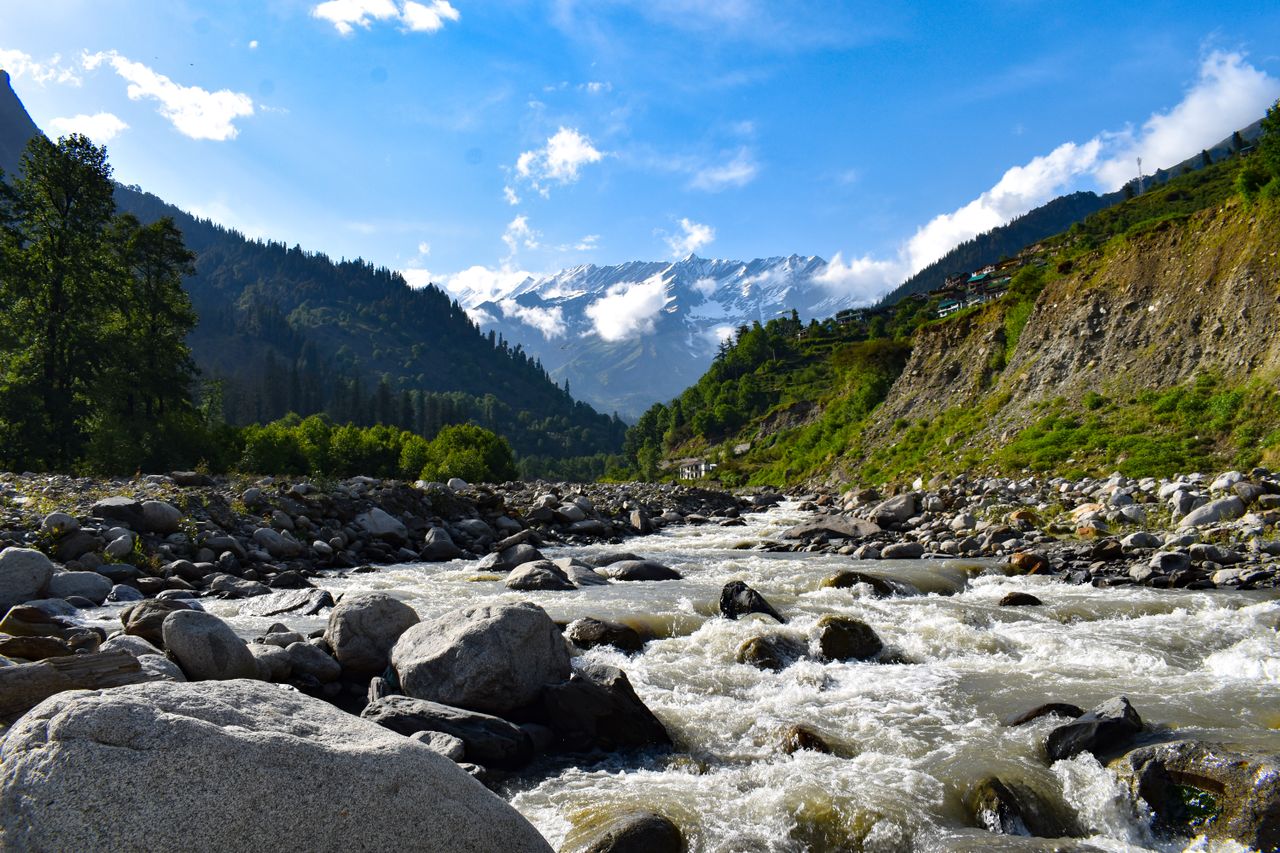
Himachal is easy to fall for and surprisingly easy to get wrong. Everyone's seen the photos — pine forests, a snow line in the distance, a chai stall with a view — and decided they need to "do Himachal." But the state is huge, and a crowded weekend on Shimla's Mall Road is a completely different trip from a week spent crawling through Spiti's cold desert. Where you go should depend on what you actually want: a lazy hill-station break, a backpacker's café crawl, or a proper high-altitude adventure that tests your car and your nerves.
Here are eight places worth building a trip around — a mix of the famous names that still earn their reputation and a few quieter corners most itineraries skip.
Let's start with the obvious one, because ignoring Shimla feels dishonest. Yes, it's crowded. Yes, the Mall Road in peak season can feel more like a mela than a mountain escape. But there's a reason the British made it their summer capital, and on a clear morning — standing on the Ridge with the church behind you and the hills falling away in every direction — you get it. Ride the Kalka–Shimla toy train if you can; the slow, narrow-gauge climb through a hundred-odd tunnels is the best possible way to arrive. Base yourself here for a couple of days, walk the quieter forest trails around Jakhu and Glen, and use it as a springboard to Kufri, Chail or Naldehra rather than the whole trip. Shimla works best as an opening act, not the headliner.
Manali has two faces, and it's worth knowing the difference before you book. The new town near the bus stand is loud, packed with hotels and honestly a little exhausting. Old Manali, just up the river, is the one people mean when they say they loved it — stone houses, apple trees, and riverside cafés playing everything from Bob Marley to old Hindi film songs. Visit the wooden Hadimba temple in its cedar grove early, before the crowds arrive. If you're chasing snow and adventure, Solang Valley delivers paragliding, zorbing and skiing depending on the season, and Rohtang Pass — open roughly late spring to autumn — is the dramatic gateway toward Lahaul. Most travellers also use Manali as the launch point for bigger journeys to Spiti or Leh, which is reason enough to spend a night here even if the town itself isn't your thing.
Kasol built its reputation on cheap guesthouses, riverside cafés and a heavy Israeli backpacker influence — you'll find shakshuka and hummus on menus next to Himachali food, and more than a few reggae bars. It carries a bit of a party-town label, and that's fair for the main strip, but the valley around it is where the real charm sits. Walk the easy hour to Chalal along the Parvati river for a quieter version of the same vibe. Push further to villages like Tosh and Kalga, where the pace drops and the views open right up. And if you're up for a proper trek, Kheerganga is the classic — a few hours uphill to a hot spring with a view that makes the climb worth every step. Skip Malana unless you're genuinely curious about its unusual customs; it's more talked about than it is pleasant.
McLeod Ganj, the upper town above Dharamshala, is home to the Dalai Lama and a large Tibetan community, and it feels different from the rest of Himachal because of it. Prayer flags, monasteries, chants drifting out of open windows, and some of the best momos and thukpa you'll eat anywhere. Spend a morning at the Tsuglagkhang complex and the small museum documenting the Tibetan story — it's moving, and it gives the whole town context. The walk to Bhagsu waterfall and the café-lined lane above it makes for an easy afternoon. If you want to earn your view, the Triund trek is one of the most rewarding day hikes in the state: a steady climb to a grassy ridge with the Dhauladhar range close enough to feel like you could reach out and touch it. Camp overnight if the weather's kind.
If you only have the appetite for one big adventure, make it Spiti. This is high-altitude cold desert — barren, moonlike mountains, whitewashed monasteries clinging to cliffs, and villages that feel like they sit at the edge of the world. Key Monastery, stacked up a hillside above the Spiti river, is the postcard image, but the whole drive is the point: the road itself is half the experience, and not always a comfortable one. Chandratal, the crescent-shaped lake, is unforgettable on a clear night. One honest word of caution — Spiti is remote and sits at serious altitude, so give yourself time to acclimatise, and travel in the warmer months (roughly June to September) unless you really know what you're doing. This is not a trip to rush.
Bir has quietly become one of the best paragliding spots in the world, and even if you never leave the ground it's a lovely place to slow down. Pilots launch from Billing up the hill and land down in Bir, and for a fairly modest price you can strap in with an instructor and float over the valley yourself — few things beat that first drop when the ground falls away beneath your feet. Beyond the flying, Bir has a relaxed Tibetan colony, a monastery or two, and a growing crop of good cafés and co-working spaces that have turned it into a soft landing for remote workers. It's the kind of place you plan to visit for two days and end up staying a week.
Kinnaur is apple country, and if you time it right in autumn you'll drive past orchards heavy with fruit and the whole valley smelling of it. The Sangla valley is the heart of it — green, terraced, ringed by snow peaks — and at the top sits Chitkul, often called the last inhabited village before the Tibetan border. There isn't much to "do" in Chitkul, and that's exactly the appeal: a cold river, wooden houses, a small temple, and a stillness that's hard to find on the busier circuits. Kalpa, with its head-on view of the Kinner Kailash range, is worth a stop too, ideally at first light. This region rewards travellers who don't mind long drives and don't need a packed schedule.
If crowds are the thing you're trying to escape, Tirthan is my quiet favourite. Tucked near the Great Himalayan National Park, it's built around a clear, trout-filled river rather than a town, so most stays are riverside guesthouses and small homestays where the day's plan is "not much." You can try your hand at trout fishing, walk into the national park past waterfalls and old forest, or simply sit by the water with a book and let the river do the talking. There are no big-ticket sights here, no Mall Road, no queues — which is precisely why the people who find it tend to keep coming back. Come here when you want the mountains without the noise.
Himachal's seasons matter more than in most places. Spring and autumn are the sweet spots; summer brings good weather but heavy crowds to the popular hill stations; and the monsoon (roughly July to August) can mean landslides and blocked roads in the higher valleys. The big passes toward Spiti, Lahaul and the border regions are seasonal, so always check current conditions before committing to those routes. Distances also look small on a map and take forever on the ground — mountain roads are slow, so plan fewer places and give each one more time.
Whatever you choose, resist the urge to cram all eight into a single trip. Himachal is better in unhurried doses. Pick two or three that match the mood you're after, and leave the rest as a reason to come back.
Here are eight places worth building a trip around — a mix of the famous names that still earn their reputation and a few quieter corners most itineraries skip.
Shimla
Let's start with the obvious one, because ignoring Shimla feels dishonest. Yes, it's crowded. Yes, the Mall Road in peak season can feel more like a mela than a mountain escape. But there's a reason the British made it their summer capital, and on a clear morning — standing on the Ridge with the church behind you and the hills falling away in every direction — you get it. Ride the Kalka–Shimla toy train if you can; the slow, narrow-gauge climb through a hundred-odd tunnels is the best possible way to arrive. Base yourself here for a couple of days, walk the quieter forest trails around Jakhu and Glen, and use it as a springboard to Kufri, Chail or Naldehra rather than the whole trip. Shimla works best as an opening act, not the headliner.
Manali
Manali has two faces, and it's worth knowing the difference before you book. The new town near the bus stand is loud, packed with hotels and honestly a little exhausting. Old Manali, just up the river, is the one people mean when they say they loved it — stone houses, apple trees, and riverside cafés playing everything from Bob Marley to old Hindi film songs. Visit the wooden Hadimba temple in its cedar grove early, before the crowds arrive. If you're chasing snow and adventure, Solang Valley delivers paragliding, zorbing and skiing depending on the season, and Rohtang Pass — open roughly late spring to autumn — is the dramatic gateway toward Lahaul. Most travellers also use Manali as the launch point for bigger journeys to Spiti or Leh, which is reason enough to spend a night here even if the town itself isn't your thing.
Kasol and the Parvati Valley
Kasol built its reputation on cheap guesthouses, riverside cafés and a heavy Israeli backpacker influence — you'll find shakshuka and hummus on menus next to Himachali food, and more than a few reggae bars. It carries a bit of a party-town label, and that's fair for the main strip, but the valley around it is where the real charm sits. Walk the easy hour to Chalal along the Parvati river for a quieter version of the same vibe. Push further to villages like Tosh and Kalga, where the pace drops and the views open right up. And if you're up for a proper trek, Kheerganga is the classic — a few hours uphill to a hot spring with a view that makes the climb worth every step. Skip Malana unless you're genuinely curious about its unusual customs; it's more talked about than it is pleasant.
McLeod Ganj and Dharamshala
McLeod Ganj, the upper town above Dharamshala, is home to the Dalai Lama and a large Tibetan community, and it feels different from the rest of Himachal because of it. Prayer flags, monasteries, chants drifting out of open windows, and some of the best momos and thukpa you'll eat anywhere. Spend a morning at the Tsuglagkhang complex and the small museum documenting the Tibetan story — it's moving, and it gives the whole town context. The walk to Bhagsu waterfall and the café-lined lane above it makes for an easy afternoon. If you want to earn your view, the Triund trek is one of the most rewarding day hikes in the state: a steady climb to a grassy ridge with the Dhauladhar range close enough to feel like you could reach out and touch it. Camp overnight if the weather's kind.
Spiti Valley
If you only have the appetite for one big adventure, make it Spiti. This is high-altitude cold desert — barren, moonlike mountains, whitewashed monasteries clinging to cliffs, and villages that feel like they sit at the edge of the world. Key Monastery, stacked up a hillside above the Spiti river, is the postcard image, but the whole drive is the point: the road itself is half the experience, and not always a comfortable one. Chandratal, the crescent-shaped lake, is unforgettable on a clear night. One honest word of caution — Spiti is remote and sits at serious altitude, so give yourself time to acclimatise, and travel in the warmer months (roughly June to September) unless you really know what you're doing. This is not a trip to rush.
Bir Billing
Bir has quietly become one of the best paragliding spots in the world, and even if you never leave the ground it's a lovely place to slow down. Pilots launch from Billing up the hill and land down in Bir, and for a fairly modest price you can strap in with an instructor and float over the valley yourself — few things beat that first drop when the ground falls away beneath your feet. Beyond the flying, Bir has a relaxed Tibetan colony, a monastery or two, and a growing crop of good cafés and co-working spaces that have turned it into a soft landing for remote workers. It's the kind of place you plan to visit for two days and end up staying a week.
Kinnaur and Chitkul
Kinnaur is apple country, and if you time it right in autumn you'll drive past orchards heavy with fruit and the whole valley smelling of it. The Sangla valley is the heart of it — green, terraced, ringed by snow peaks — and at the top sits Chitkul, often called the last inhabited village before the Tibetan border. There isn't much to "do" in Chitkul, and that's exactly the appeal: a cold river, wooden houses, a small temple, and a stillness that's hard to find on the busier circuits. Kalpa, with its head-on view of the Kinner Kailash range, is worth a stop too, ideally at first light. This region rewards travellers who don't mind long drives and don't need a packed schedule.
Tirthan Valley
If crowds are the thing you're trying to escape, Tirthan is my quiet favourite. Tucked near the Great Himalayan National Park, it's built around a clear, trout-filled river rather than a town, so most stays are riverside guesthouses and small homestays where the day's plan is "not much." You can try your hand at trout fishing, walk into the national park past waterfalls and old forest, or simply sit by the water with a book and let the river do the talking. There are no big-ticket sights here, no Mall Road, no queues — which is precisely why the people who find it tend to keep coming back. Come here when you want the mountains without the noise.
A Few Honest Words on Planning
Himachal's seasons matter more than in most places. Spring and autumn are the sweet spots; summer brings good weather but heavy crowds to the popular hill stations; and the monsoon (roughly July to August) can mean landslides and blocked roads in the higher valleys. The big passes toward Spiti, Lahaul and the border regions are seasonal, so always check current conditions before committing to those routes. Distances also look small on a map and take forever on the ground — mountain roads are slow, so plan fewer places and give each one more time.
Whatever you choose, resist the urge to cram all eight into a single trip. Himachal is better in unhurried doses. Pick two or three that match the mood you're after, and leave the rest as a reason to come back.
#Himachal Pradesh#travel guide#hill stations#Manali#Shimla#Spiti Valley#India travel